
Table of Contents
CBD oil is the most common way people take cannabidiol: a liquid extract, usually taken under the tongue, available as pure CBD (isolate), broad-spectrum, or full-spectrum. It is popular — and its benefits are heavily overstated online. This guide explains what CBD oil is, what the evidence actually supports, how the types differ, and how to choose a quality product, without the miracle claims.
How CBD works — and what is proven
CBD interacts with the body’s endocannabinoid system (ECS), a signaling network involved in mood, sleep, appetite, and pain sensation. That interaction is real; what it achieves clinically is far less settled. The US National Center for Complementary and Integrative Health summarizes the evidence plainly: research on cannabis and cannabinoids for most conditions is in its early stages, with some evidence of modest benefits for chronic pain and multiple sclerosis symptoms. The FDA has approved only one CBD-based drug — Epidiolex, a purified CBD formulation for seizures in two rare, severe epilepsy syndromes (Lennox-Gastaut and Dravet). No CBD oil is approved to treat anxiety, pain, sleep problems, or any neurodegenerative disease. Claims about Alzheimer’s or Parkinson’s rest on preclinical (lab and animal) research, not human trials. Read the NCCIH summary of cannabis and cannabinoids for the full evidence picture.
CBD also has documented downsides: diarrhea, sleepiness, liver-function abnormalities, and interactions with many medications — effects observed in clinical trials, not just poor-quality products. Anyone taking other medicines should consult a healthcare professional before using CBD oil.
Pure CBD oil vs full-spectrum
| Feature | Pure CBD oil (isolate) | Full-spectrum CBD |
|---|---|---|
| THC content | No THC | Contains THC (under 0.3% for US hemp products) |
| Other compounds | CBD only | Other cannabinoids, terpenes, flavonoids |
| Claimed advantage | Isolated CBD effects, zero THC | “Entourage effect” — a hypothesis, not proven |
| Legal status | Legal in many areas | Legal in many areas (check local laws) |
| Best for | People avoiding THC entirely; precise CBD-only dosing | People who prefer whole-plant extracts |
Broad-spectrum sits between the two: multiple hemp compounds with THC removed. The “entourage effect” — the idea that compounds together work better than CBD alone — is frequently asserted and rarely proven; treat it as marketing language until trials demonstrate it. See what CBD isolate is and tincture vs oil for the format details.
What people use it for — and the evidence level
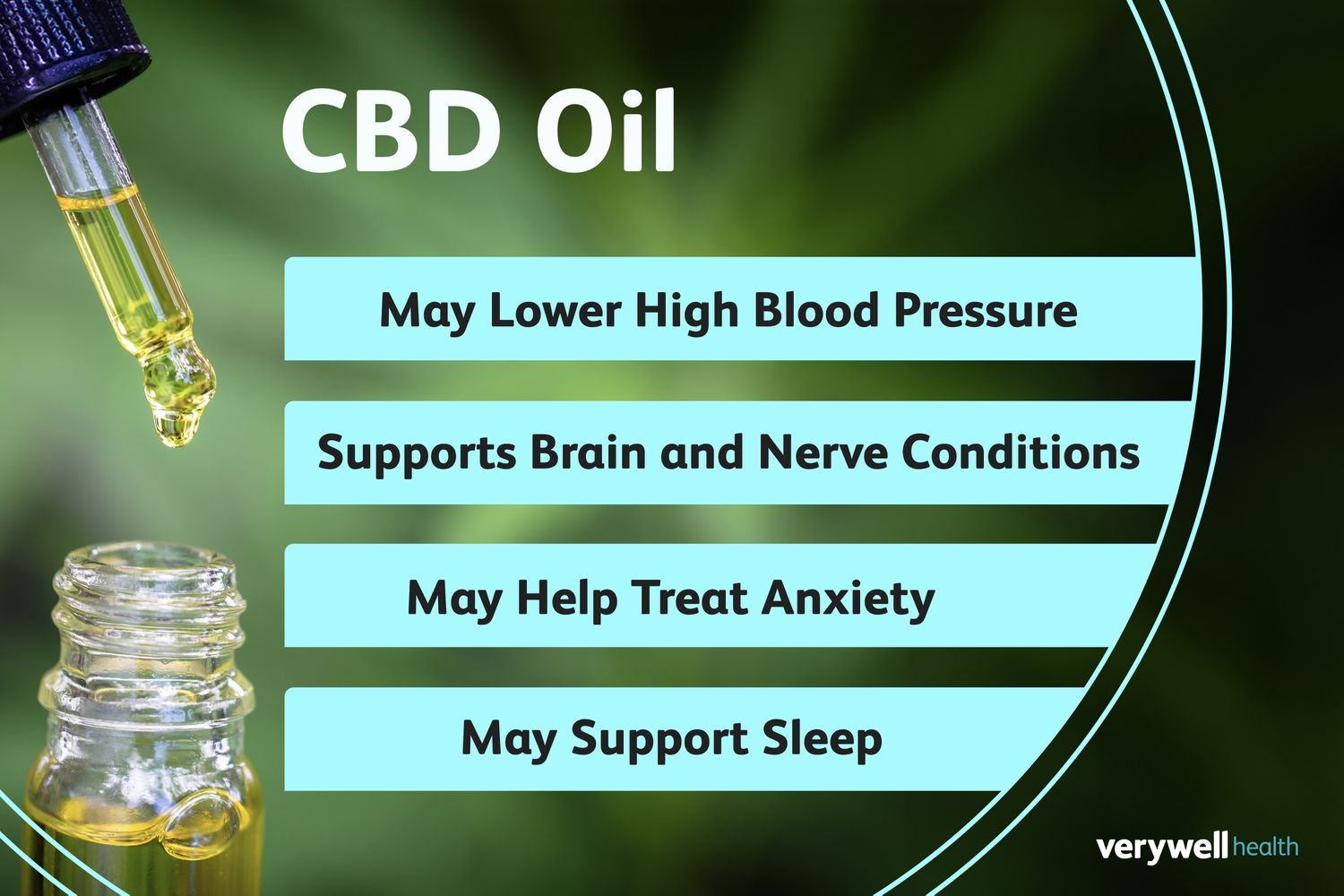
Anxiety and stress: widely used, limited evidence. Some small studies suggest possible anxiolytic effects; large, rigorous trials are lacking. CBD is not a substitute for proven anxiety treatment.
Pain: the strongest (still modest) evidence base — some evidence of modest benefits for chronic pain, mostly from cannabis/cannabinoid medicines rather than over-the-counter CBD oil specifically.
Sleep: early-stage evidence; sleep improvements in studies are often secondary to pain or anxiety relief rather than a direct sleep effect.
Brain health: neuroprotection claims come from preclinical research only. No human evidence supports CBD for Alzheimer’s, Parkinson’s, or other neurodegenerative diseases.
The honest summary: CBD oil is a plausible wellness product with an unproven therapeutic record outside epilepsy. Anyone selling certainty is selling something else.
Choosing a quality CBD oil
| Quality indicator | Importance |
|---|---|
| Source of hemp | Higher quality and safety — prefer disclosed, licensed farms |
| Extraction method | Preserves beneficial compounds — CO2 is widely regarded as cleanest |
| Third-party testing | Confirms product quality — require a current COA |
Read labels and lab reports: check CBD concentration per serving, THC level (under 0.3% for US hemp products), full ingredient list, and the certificate of analysis for contaminants. Avoid products with vague labeling, no COA, or health claims on the label — regulations in most jurisdictions prohibit disease claims on CBD products, so a label making them is already breaking rules. See what’s in your CBD oil for ingredients and additives to watch.
Using CBD oil day to day
Start low, go slow: begin with a small dose, hold it under the tongue for 30–60 seconds, and assess over days — not minutes — before adjusting. Many people take it in the morning for daytime calm or in the evening to unwind; adding drops to coffee, tea, or smoothies works but slows absorption (digestion vs. sublingual). Capsules and edibles offer pre-measured convenience. See our CBD dosage guide for the principles, and keep a simple log of dose and effects — your own data beats any influencer’s story.
The regulatory picture
CBD’s legal status varies by country and, in the US, by state: hemp-derived CBD under 0.3% THC is federally legal in the US, but states add their own rules, and other countries differ sharply. Health claims on labels are restricted in most jurisdictions. Regulations change — check official government sources where you live rather than relying on seller claims or forums.
The Johnson et al. 2023 labeling study tested 53 hemp Delta-9 products and found 66% off-label by more than 10%.
Frequently asked questions
What are the benefits of CBD oil?
The proven benefits are narrow: one FDA-approved drug for rare seizure disorders, and some evidence of modest benefits for chronic pain. Most other claimed benefits (anxiety, sleep, brain health) have early-stage or preclinical evidence only.
How does CBD oil work in the body?
CBD interacts with the endocannabinoid system, which helps regulate mood, pain, sleep, and other functions. The interaction is established; the clinical outcomes mostly are not.
Is all CBD oil the same?
No. Quality, concentration, spectrum (isolate/broad/full), and contaminants vary enormously between products. Lab reports are the only reliable differentiator.
Can I use CBD oil daily?
Many people do. Start with a small dose, watch for side effects (sleepiness, digestive upset), and check with a healthcare professional about medication interactions before daily use.
Conclusion
CBD oil’s real story is more modest than its marketing: a well-tolerated compound with limited proven benefits, real interaction risks, and a market that rewards skepticism. Choose verified products, start low, and let evidence — not testimonials — guide the decision. More in our CBD guides.
Affiliate Disclosure
The CakeHeights Editorial Team is committed to providing accurate, research-backed information about cannabis and hemp products. Some links on this page are affiliate links, meaning we may earn a commission at no extra cost to you if you make a purchase through them. Our recommendations are based on independent research, testing, and analysis. We only promote products we believe offer genuine value to our readers. Learn more →

Related Articles
 CBD Guides
CBN vs Melatonin for Sleep: What’s the Difference?
 CBD Guides
CBD and Caffeine: Can You Mix Them?
 CBD Guides
Leave a Reply