Delta 9 THCA does not produce a high when consumed in its natural state. It must undergo decarboxylation to become psychoactive Delta 9 THC.
Exploring the world of cannabinoids reveals a range of compounds with varying effects on the human body. Delta 9 Tetrahydrocannabinolic acid (THCA) is a non-psychoactive cannabinoid found primarily in the raw cannabis plant. While it shares a similar molecular structure with Delta 9 THC, the component known for causing the ‘high’ associated with cannabis, THCA does not affect the mind in the same way.
This naturally occurring substance is especially intriguing to those interested in the therapeutic benefits of cannabis, without the psychoactive impact. Understanding the differences between cannabis compounds is crucial for consumers looking to tailor their experience with precision and awareness.
Introduction To Delta 9 Thca
THCA may sound familiar to you, akin to THC, but it’s a different compound entirely. Delta 9 THCA is THC’s raw counterpart, found naturally in the cannabis plant. Unlike its famous relative, it doesn’t produce the high when consumed in its natural state. But, is this the whole truth? Let’s dive into the basics of Delta 9 THCA and its legal status to find out more.
The Basics Of Delta 9 Thca
Understanding Delta 9 THCA starts with knowing that it’s a non-psychoactive acid form of THC. Before cannabis is heated, the substance that dominates is THCA. Heat transforms THCA, releasing that iconic high.
In its raw form, THCA is not intoxicating.
Heating initiates a process called decarboxylation.
Decarboxylation converts THCA to psychoactive THC.
Delta 9 refers to the chemical bond’s position that’s vital for the compound’s effects.
The Legality And Accessibility
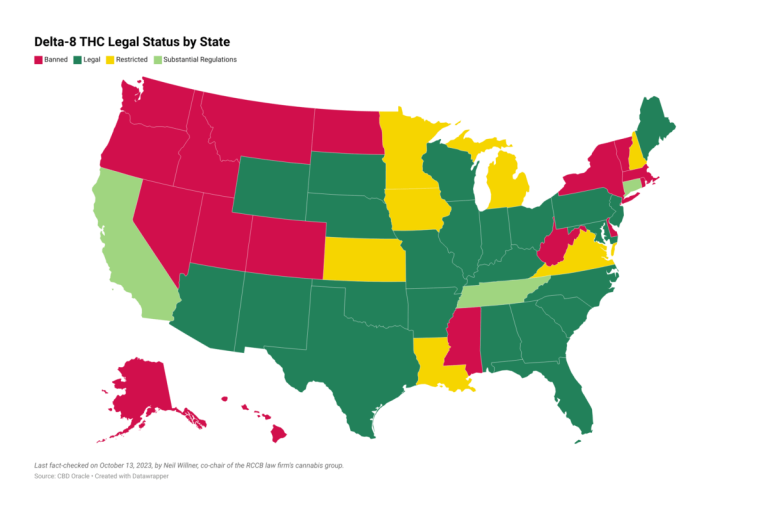
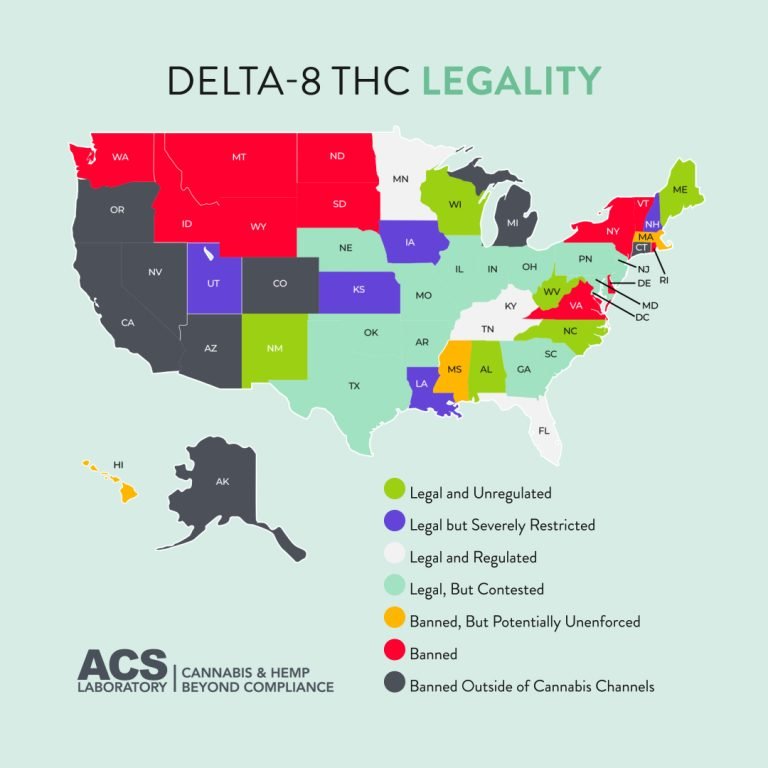
Delta 9 THCA’s legality is a complex issue. In regions where cannabis is legal, THCA is typically lawful too. This is because it’s not psychoactive like THC. Yet, in areas with stricter laws, its legal status can be ambiguous.
Region
Legality of THCA
Areas with legal cannabis
Usually legal
Areas with cannabis restrictions
Varies by local laws
Accessibility to THCA aligns with cannabis legality. It can range from speciality dispensaries to wellness stores, depending on where you are and the local regulations.
Chemical Structure And Effects On The Brain
Delta 9 THCA is a unique compound found in cannabis. It has a special structure that impacts the brain. This structure changes when THCA turns into THC. THCA does not make you feel “high” like THC does. Let’s explore how THCA and THC differ and their brain effects.
Comparing Thca To Thc
THCA and THC are close relatives in the cannabis family. But, their effects are not the same. THCA is the raw form found in the plant. Heat changes it into THC, the compound that gives the famous “high.”
Compound
Psychoactive
Found in Cannabis as
THCA
No
Raw form
THC
Yes
Active after heat is applied
Interactions With The Endocannabinoid System
The endocannabinoid system (ECS) controls many functions in our body. It uses receptors to do its work. THCA and THC talk to these receptors differently.
THCA does not link well with ECS receptors. This means it does not affect your mood a lot.
THC has a strong connection to ECS receptors. It can change how you feel and think.
Psychoactive Potential Of Delta 9 Thca
Cannabis has a compound called Delta 9 THCA. It is not THC. THC makes you high. THCA is different. Some people think THCA also makes you high. Others do not agree. This post explores if Delta 9 THCA has psychoactive effects. Psychoactive means it can affect your mind.
The Debate On Psychoactivity
This debate is interesting. THC is well-known for its high. THCA is its acid form. Heating can turn THCA into THC. This process is called decarboxylation. But without heat, does THCA still affect your mind? Studies and people do not all agree.
Factors Influencing Psychoactive Effects
The effects of THCA depend on several things:
Amount: More THCA could mean more effect.
Method: Eating raw cannabis is different than smoking.
Individual: Everyone’s body acts differently.
Research is ongoing. Some scientists use lab tests to understand THCA. These tests show us science facts. Users also share their personal experiences. Until more is known, be careful with THCA.
User Experiences With Delta 9 Thca
Exploring user experiences with Delta 9 THCA is akin to uncovering a trove of personal anecdotes and varied effects. Unlike its more famous cousin, Delta 9 THC, Delta 9 THCA is not well-known. Still, it sparks curiosity about its potential impact. Let’s dive into real accounts to understand what users experience.
Anecdotal Evidence
Users often turn to online forums and communities to share their experiences. They recount their encounters with Delta 9 THCA, detailing the absence or presence of a high. Some report a lack of psychoactive effects, while others suggest a mild and more manageable high compared to Delta 9 THC. The stories range from heightened sensory perception to therapeutic relaxation.
Surveying Recreational And Medicinal Uses
Recreational anecdotes touch on the enjoyment of Delta 9 THCA’s subtle effects.
Medicinal stories highlight relief from ailments and preference for its less intense impact.
A collection of user testimonies suggests Delta 9 THCA’s versatility for different needs. The experiences span across those seeking leisure and others pursuing comfort from physical discomfort.
User Type
Reported Effects
Recreational Users
Enjoyable, mild high; suitable for social settings
Medicinal Users
Pain alleviation without intense psychoactivity
Scientific Studies On Delta 9 Thca
Welcome to the intriguing world of Delta 9 Tetrahydrocannabinolic Acid (THCA), a fascinating compound found in cannabis. Before diving into the specifics, it’s essential to clarify that Delta 9 THCA is the non-psychoactive precursor to Delta 9 THC, the well-known compound associated with the “high” in marijuana. Scientists show keen interest in THCA for its potential benefits without the psychoactive effects. Let’s explore what current research says about this compound.
Research On Non-psychoactive Benefits
Studies suggest THCA has a wealth of potential health benefits. It seems to hold promise for conditions like epilepsy and chronic pain. Researchers are digging deeper to understand how it works inside the body. Here’s a quick overview of what they have found:
Anti-inflammatory properties that could help manage conditions like arthritis and lupus.
Neuroprotective qualities, showing potential in protecting brain health.
Antiemetic effects, which might offer relief from nausea and appetite loss.
Investigations Into High Potential
While Delta 9 THCA itself doesn’t get you high, it’s a precursor to THC, which does. The research is partially focused on how THCA converts to THC. This knowledge can help us understand if and how THCA might contribute to cannabis’s psychoactive effects. Key findings include:
THCA converts to THC through decarboxylation when exposed to heat.
This process can happen both outside and inside the body.
However, pure THCA in its raw form is non-intoxicating. Users do not experience a high unless it is converted to THC.
Conclusion And Recommendations
An intriguing journey through the world of Delta 9 THCA reveals a compound with potential yet sensible use is key.
Understanding its effects helps users make informed decisions.
Eyes now turn to ongoing research for a clearer picture of its impact.
Responsible Use Of Delta 9 Thca
While Delta 9 THCA may not produce the high associated with THC, caution remains paramount.
Users should respect legal guidelines and recognize personal tolerance levels.
Start with low doses to gauge sensitivity.
Consider the context of use, keeping safety in mind.
Consult with a healthcare professional, especially if other medications are in use.
Future Research Directions
Delta 9 THCA holds possibilities yet to be fully unraveled.
Better understanding requires focused studies.
Research Area
Significance
Long-term effects
Provides insight into usage over time
Therapeutic benefits
Explores medical potential
Interaction with other cannabinoids
Understands the entourage effect
Frequently Asked Questions Of Does Delta 9 Thca Get You High?
What Is Delta 9 Thca?
Delta 9 THCA is the non-psychoactive acidic precursor to THC, found in raw cannabis plants, which does not produce a high until decarboxylated.
Can Delta 9 Thca Cause Intoxication?
No, Delta 9 THCA does not cause intoxication in its raw form because it hasn’t been converted into psychoactive THC.
How Does Delta 9 Thca Convert To Thc?
Delta 9 THCA converts to THC through a process called decarboxylation, which involves applying heat through smoking, vaping, or cooking.
Does Consuming Delta 9 Thca Affect Drug Tests?
THCA itself may not show up on a standard drug test, but if it converts to THC inside the body, it could potentially result in a positive test.
What Are The Benefits Of Delta 9 Thca?
Delta 9 THCA may offer anti-inflammatory, neuroprotective, and anti-nausea properties, among other potential therapeutic benefits.
Conclusion
Wrapping up, it’s clear that Delta 9 THCA has a distinct impact on users. While not as potent as Delta 9 THC, it still holds the potential for mild psychoactive effects. Understanding its properties is crucial for informed use. Remember to consult legal guidelines and health advice before trying it.
The CakeHeights Editorial Team is committed to providing accurate,
research-backed information about cannabis and hemp products.
Some links on this page are affiliate links, meaning we may earn
a commission at no extra cost to you if you make a purchase
through them. Our recommendations are based on independent
research, testing, and analysis. We only promote products we
believe offer genuine value to our readers.
Learn more →
Mississippi recently banned Delta-8 THC, a popular cannabinoid. Despite the ban, some stores continue to sell it. This situation raises questions about...