
Table of Contents
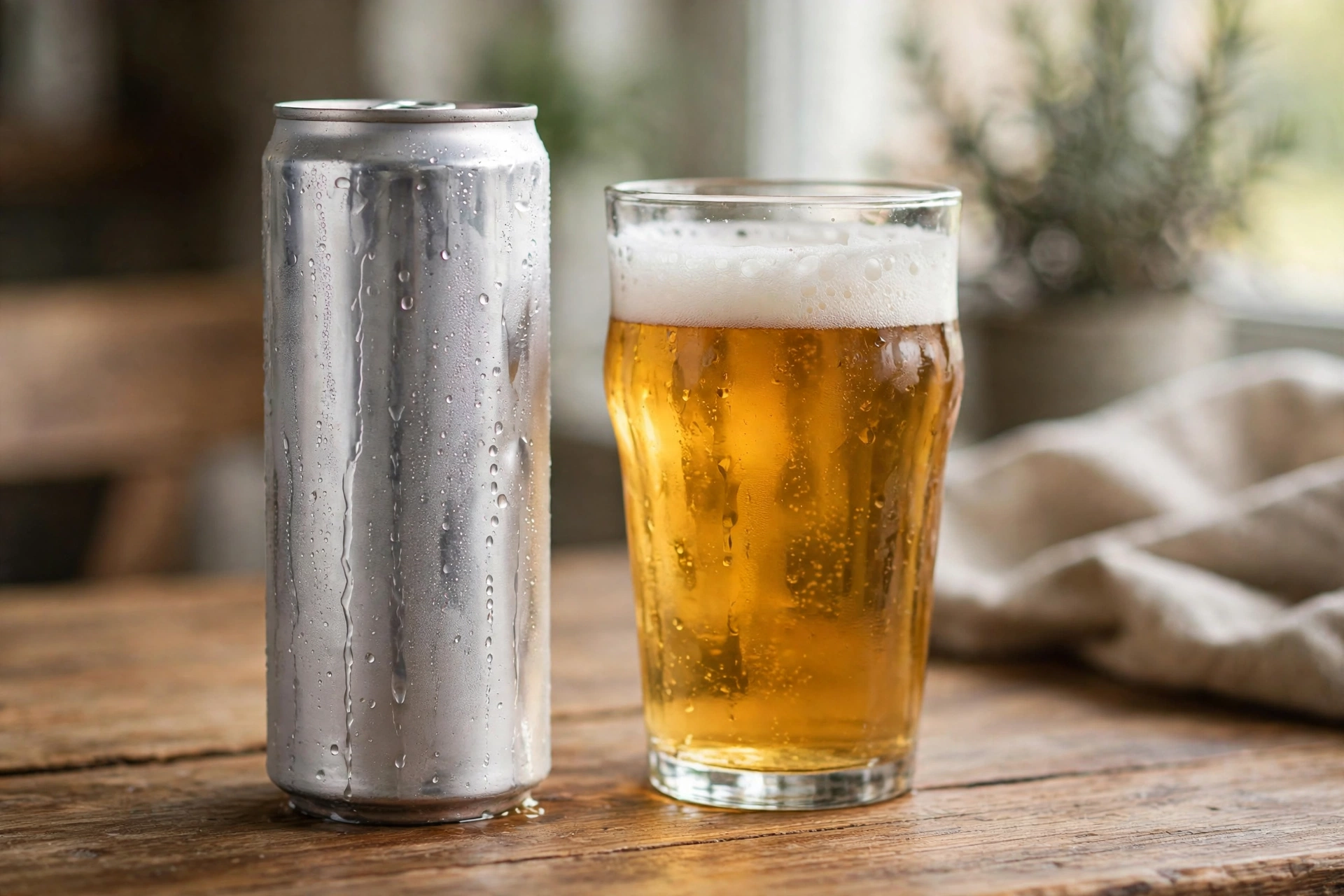
A THC seltzer and a beer look like the same kind of drink — cold, fizzy, cracked open at a party — but they work in completely different ways. Beer delivers alcohol, while a seltzer delivers a measured dose of THC, so the onset, the calories, and the next morning are all different.
What is in each can?
Beer is fermented grain, water, hops, and yeast, and its active ingredient is ethanol. A 12-ounce regular beer at about 5% alcohol holds roughly 14 grams of pure alcohol, which the National Institute on Alcohol Abuse and Alcoholism (NIAAA) counts as one standard drink. That is the unit every drinking guideline in the country is built around.
A THC seltzer is sparkling water infused with THC, usually hemp-derived delta-9 THC, in a printed dose per can — commonly 2 mg to 10 mg, with higher-dose cans for experienced consumers. There is no alcohol in it at all, and the printed number is the whole point.
That difference drives everything else. Alcohol is a depressant your liver processes on a fairly predictable schedule. THC works on your endocannabinoid system, and how it feels depends heavily on dose, tolerance, body chemistry, and whether you have eaten. If you want the wider picture on cannabis drinks, our guide to THC seltzers and drinks walks through the formats on the market.
THC seltzer vs beer: the quick comparison
| Beer (12 oz, ~5% ABV) | THC seltzer (12 oz, low dose) | |
|---|---|---|
| Active ingredient | Alcohol (~14 g pure alcohol) | THC (commonly 2–10 mg per can) |
| Onset | Often 10–30 minutes | Often 15–30 minutes (modern nanoemulsified drinks) |
| Duration | Effects fade within 2–3 hours of the last drink | Often 2–4 hours |
| Calories | About 150 per can; craft styles often 170–300+ | Often 0–50 per can |
| Next morning | Hangover risk: dehydration and alcohol byproducts | No alcohol hangover; high doses can still leave you foggy |
| Driving | Never drive after drinking | Never drive after a THC drink either |
The table is a guide to typical products, not a promise — a strong IPA and a light lager are not the same drink, and neither are a 2 mg and a 10 mg seltzer. Read the label on the can in your hand.
How fast does each one kick in?
Beer is famously gradual: you feel a 12-ounce beer over roughly 10 to 30 minutes, depending on what is in your stomach, and each drink adds a little more, in a line you can follow.
THC seltzers used to be the opposite. Old-style infused drinks behaved like edibles, which meant an hour or more of waiting and a habit of sneaking up on people who got impatient. Modern seltzers largely fixed this with nanoemulsion, a process that breaks THC oil into microscopic droplets that mix into water and absorb faster. Reporting on the research puts onset for these drinks in the 15 to 30 minute range, against 60 to 120 minutes for a traditional oil-based edible — though the studies are generally small and some are industry-funded.
The practical point is the wait. Even with a fast-acting seltzer, the effects keep climbing toward a peak around one to two hours in, and they can last two to four hours or more. That is why the standard advice is to give a drink a full 45 minutes before deciding you want another one. The drink format makes it easy to keep sipping out of habit, and habit is not a dosing strategy — our guide to what a cannabis beverage is and why people try one explains the pacing problem in more detail.
Why do some THC drinks feel stronger than expected?
Three things catch people out. The first is the dose on the label: a 10 mg can is five times a 2 mg can, and if you grab the wrong one by mistake, the evening changes. Always check the milligrams before the first sip, not after.
The second is tolerance, or the lack of it. Someone who drinks beer every weekend knows their own limits with alcohol, but that sense does not transfer to THC at all. A regular beer drinker trying a seltzer for the first time is effectively a beginner again.
The third is food — or the lack of it. An empty stomach can make both drinks hit faster, but with THC the difference can feel bigger, because there is less in the way to slow absorption. A meal beforehand softens the climb.
What about calories and the next morning?
Here the gap is real and easy to measure. A regular 12-ounce beer lands at about 150 calories, with craft and higher-alcohol styles climbing to 170 or well past 300. Most THC seltzers sit between zero and about 50 calories, and plenty are sugar-free. Over a four-drink evening, that is roughly 600 to 1,200 calories from beer against 20 to 200 from seltzer.
That is a calorie observation, not a health claim: a THC seltzer is a different intoxicant with a different profile, not a health product, and fewer calories do not make it better for you.
The next morning is where seltzer drinkers usually notice the biggest change. Alcohol hangovers come from dehydration and from acetaldehyde, a toxic byproduct your body creates as it processes alcohol — Crescent Canna’s comparison of THC drinks and alcohol points to both as the main culprits, citing NIAAA. A seltzer with no ethanol in it will not produce that kind of hangover, and that is the most common reason people give for making the switch.
That is not the same as saying there is no next-day effect. Some people, especially at higher doses or later in the evening, wake up foggy or slow after a THC drink. It is a different feeling from a hangover and generally milder, but it exists. If you notice it, the answer is almost always a smaller dose or an earlier last call.
Can you mix them, and can you drive after either?
Mixing is where the evening usually goes sideways. Alcohol and THC together can make you feel more impaired than either one alone, and harder to judge how impaired you are. If you are switching drinks mid-evening, pick one lane and stay in it — our guide to whether you can take CBD with alcohol covers the same mixing question for CBD.
Driving is simple: do not do it after either drink. Beer impairs reaction time and judgement, and so does THC — in different ways, but with the same result behind the wheel. A seltzer may not leave you with a hangover, but it can still leave you impaired for hours. Plan the ride home before the first can, not after the third.
One more practical note: THC drinks can show up on a drug test, since most tests look for THC, not alcohol — worth knowing before you swap a beer for a seltzer.
Is a THC seltzer legal where you are?
As of November 2026, the answer is changing, and it depends on where you live. Most THC seltzers have been sold as hemp-derived products under the 2018 Farm Bill, which defined hemp as cannabis with no more than 0.3% delta-9 THC by dry weight. Congress rewrote that definition in Public Law 119-37: converted cannabinoids lost federal hemp status on November 12, 2026, and a cap of 0.4 mg of total THC per container — which covers most seltzers and gummies — takes effect on December 11, 2026, according to Leafwell’s tracker of the federal hemp ban.
State law adds another layer: some states already restrict or ban intoxicating hemp products, while state-licensed adult-use and medical programs are not affected by the federal change. Check the rules in your own state before buying — a seltzer on the shelf last month may not be there next month. This article is general information, not legal advice.
So, which one should you pick?
There is no single right answer, because the two drinks are not trying to do the same thing. Beer is familiar and predictable for people who know their limits with alcohol. A THC seltzer is lighter on calories, skips the alcohol hangover, and gives you a printed milligram dose — but it arrives on a slower, less familiar curve, and its legal status is shifting.
If you try a seltzer, start with the lowest dose you can find, give it a full 45 minutes, and do not mix it with beer on the same night. Either way, the plan for getting home matters more than the drink in your hand.
Frequently asked questions
How long does a THC seltzer take to kick in?
Most modern THC seltzers become noticeable in about 15 to 30 minutes, thanks to nanoemulsion, which helps THC absorb faster than in a traditional edible. Effects usually keep climbing toward a peak around one to two hours in and last two to four hours or more. Give a drink a full 45 minutes before deciding you want another one.
Does a THC seltzer give you a hangover?
A THC seltzer will not give you an alcohol hangover, because hangovers come from dehydration and acetaldehyde, a byproduct of processing alcohol, and a seltzer contains no ethanol. A high dose or a late-night drink can still leave you foggy or slow the next morning, though — a smaller dose usually fixes it.
How many calories are in a THC seltzer vs a beer?
A regular 12-ounce beer has about 150 calories, and craft or higher-alcohol beers often reach 170 to well past 300. Most THC seltzers have between zero and about 50 calories per can, and many are sugar-free. Over four drinks, that is roughly 600 to 1,200 calories from beer against 20 to 200 from seltzer.
Can I drive after a THC seltzer?
No. THC impairs reaction time and judgement even though it does not cause an alcohol-style hangover, and its effects can last two to four hours or more. Driving under the influence of THC is illegal in most states. Plan your ride home before your first drink, just as you would with beer.
Is a THC seltzer healthier than beer?
There is no honest yes-or-no answer to that. A seltzer has fewer calories and no alcohol hangover, but it is a different intoxicant with its own risks, including impairment, a slower onset that can lead to overdoing it, and a changing legal status. Fewer calories do not make any intoxicating drink a health product.
This article is general information, not medical or legal advice. If you take prescription medicines or have a health condition, talk to your doctor before using any THC product. See our medical disclaimer.
For more cannabinoid guides, see our THC and cannabinoids hub.
Affiliate Disclosure
The CakeHeights Editorial Team is committed to providing accurate, research-backed information about cannabis and hemp products. Some links on this page are affiliate links, meaning we may earn a commission at no extra cost to you if you make a purchase through them. Our recommendations are based on independent research, testing, and analysis. We only promote products we believe offer genuine value to our readers. Learn more →

Related Articles
 THC & Cannabinoids
What Is Pinene? The Pine-Scented Terpene, Explained
 THC & Cannabinoids