

Table of Contents
There is no verified “top 10” CBD companies list — and any site that publishes one without showing its testing is selling you a ranking, not evidence. What does exist is a clear set of checks that separate trustworthy CBD companies from the rest: independent lab reports, accurate labels, transparent sourcing, and honest claims. This guide explains those checks, the product types on the market, and the regulatory picture as of November 2026, so you can judge any company yourself — including the ones other sites rank.
What a trustworthy CBD company shows you
| Check | What good looks like | Red flag |
|---|---|---|
| Third-party lab report (COA) | Batch-specific report from an independent, ISO-accredited lab, covering cannabinoid content and contaminants | No COA, a COA for a different batch, or an in-house “lab report” |
| Label accuracy | CBD content per serving and per container, full ingredient list, THC content stated | Vague “hemp extract” with no CBD amount, or health claims on the label |
| Hemp sourcing | Country/state of origin, farming practices, and extraction method (CO2 or ethanol) disclosed | No sourcing information at all |
| Claims | Describes the product, not cures; no disease-treatment claims | “Treats anxiety/pain/insomnia” or “clinically proven” without a cited study |
| Company transparency | Real address, customer service, recall history, and FDA warning-letter record checkable | No contact details, or a brand that only exists on a marketplace listing |
What the evidence actually supports
The US Food and Drug Administration has approved one cannabis-derived drug, Epidiolex (purified CBD), for seizures in two rare syndromes — and has not approved CBD for pain, anxiety, sleep, or any other condition. The National Center for Complementary and Integrative Health summarizes the evidence as modest for chronic pain and multiple sclerosis symptoms, and early-stage for everything else, with real risks including liver injury, drowsiness, diarrhea, and interactions with other medications. Read the NCCIH summary of cannabis and cannabinoids before believing any brand’s health claims. A company that repeats the evidence honestly is more trustworthy than one that promises cures.
Product types, and what changes between them
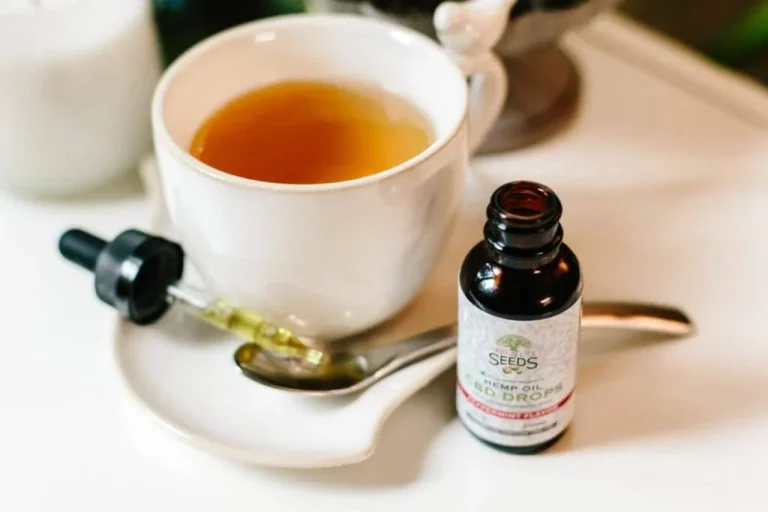
Oils and tinctures are the most common format: CBD extract diluted in a carrier oil, taken under the tongue or swallowed. Effects typically begin within 15–45 minutes. Edibles (gummies, chocolates) take longer — 1–3 hours — and last longer; dose control matters more because onset is slow. Topicals (creams, balms) are applied to skin for localized use and are not expected to reach the bloodstream in meaningful amounts. Capsules offer fixed doses and no taste. Vape oils act fastest and carry inhalation risks; see our heavy metals in vapes guide. Pet products are a separate market with almost no regulation — never give a human product to an animal without veterinary advice. Full-spectrum products contain trace THC and other cannabinoids; broad-spectrum removes THC; isolates are CBD only. If drug testing matters to you, only isolates with a THC-free COA are a defensible choice — and even then, no product guarantees a negative test.
The law changed in November 2026
A new federal law (P.L. 119-37) rewrote the US hemp definition in two steps: from November 12, 2026, cannabinoids the cannabis plant cannot naturally produce lost hemp status; from December 11, 2026, the rest applies — THC measured as total THC, and finished hemp-derived cannabinoid products capped at 0.4 milligrams of THC per container (delayed in part by P.L. 119-103). Products that were compliant under the old 0.3% delta-9 rule may no longer qualify as hemp. The practical consequence for buyers: check current rules and current COAs, because the market is adjusting and older guidance — including older versions of guides like this one — may describe products that can no longer legally be sold in their old form. For the mislabeling evidence behind the COA advice, see the lab study on mislabeled hemp products.
How to choose, step by step
Decide the format and why you want it, and discuss it with a healthcare professional if you take other medications — CBD interacts with drugs processed by the liver enzyme CYP450, including some blood thinners and anti-seizure medications. Shortlist companies that publish batch-specific COAs from independent labs. Verify one COA yourself: match the batch number on the product to the report, and check the CBD content against the label. Avoid the cheapest products — independent testing has repeatedly found the worst label accuracy at the bottom of the market — but do not assume the most expensive is the best either; price tracks marketing as much as quality. Start with the lowest dose, keep notes on effects for two weeks, and stop if you notice drowsiness, appetite changes, or stomach upset. For market-specific guidance, see CBD brands in Canada, CBD brands discussed on Reddit, and CBD and anxiety.
The Johnson et al. 2023 labeling study tested 53 hemp Delta-9 products and found 66% off-label by more than 10%.
Frequently asked questions
What are the top CBD companies known for quality products?
No independent ranking verifies a single “top” list. Judge companies by batch-specific COAs, label accuracy, sourcing transparency, and honest claims — the checks in this guide.
Where can I find the best CBD companies in the market?
Start with companies that publish independent lab reports for every batch, then verify one COA yourself. Avoid brands with no COA, no address, or disease-treatment claims.
What are the criteria for ranking CBD companies?
Product quality, third-party testing, transparency, customer feedback, and regulatory compliance — with testing evidence weighted above marketing.
Is CBD legal?
It depends on jurisdiction and product. US federal hemp rules changed on November 12, 2026; state and country rules vary widely. Check current law where you live.
Can CBD help with pain or anxiety?
The evidence is modest for some pain conditions and early-stage for anxiety. CBD is not approved for either. Discuss it with a healthcare professional, especially if you take other medications.
Conclusion
The best CBD company for you is the one whose evidence you can check — a real COA, a real label, and claims that match what research actually shows. Rankings that name winners without showing tests are advertising. More in our Reviews & Brands guides.
Affiliate Disclosure
The CakeHeights Editorial Team is committed to providing accurate, research-backed information about cannabis and hemp products. Some links on this page are affiliate links, meaning we may earn a commission at no extra cost to you if you make a purchase through them. Our recommendations are based on independent research, testing, and analysis. We only promote products we believe offer genuine value to our readers. Learn more →

Related Articles
 Reviews & Brands
CBD Companies Analysis: Insights from 520 Top Brands
 Reviews & Brands
Buying CBD Products: Essential Tips for Informed Choices
 Reviews & Brands