
Table of Contents
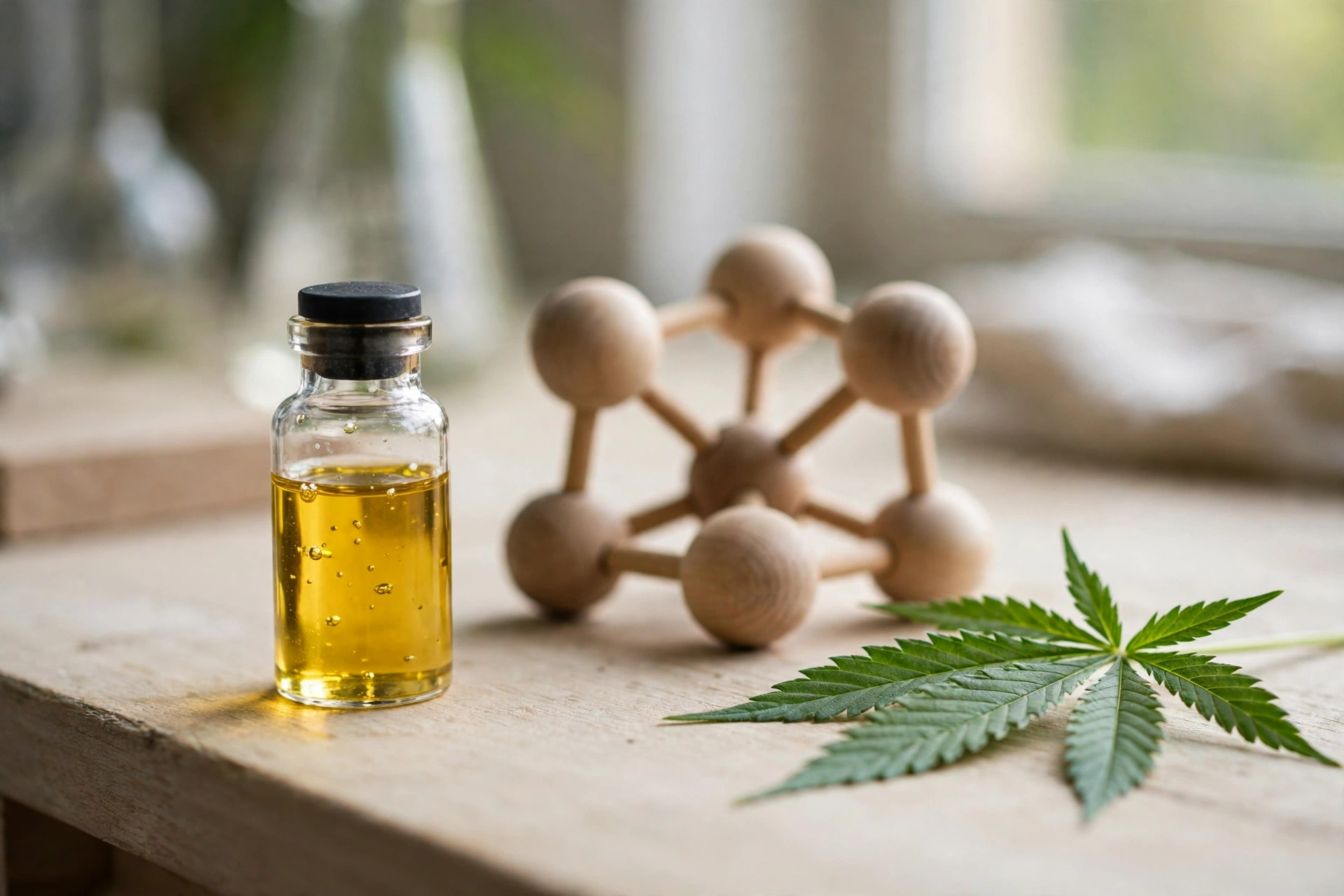
Delta-9P — properly called THCP (tetrahydrocannabiphorol) — is a naturally occurring cannabinoid isolated from cannabis in 2019 by Italian researchers (Citti et al.). It differs from Delta-9 THC by one structural detail with large consequences: a 7-carbon alkyl side chain instead of 5. That longer chain binds the CB1 receptor far more strongly — about 33 times more tightly in laboratory tests (Ki 1.2 nM vs 40 nM for THC) — and THCP was active at lower doses than THC in animal studies. In plain terms: THCP is likely more potent than THC, not less. There are no human studies of THCP’s effects, safety, or dosing. Commercial “Delta-9P” products are synthesized in labs, not extracted from plants.
THCP vs THC
| THCP (Delta-9P) | Delta-9 THC | |
|---|---|---|
| Alkyl side chain | 7 carbons (heptyl) | 5 carbons (pentyl) |
| CB1 binding (in vitro) | Ki ~1.2 nM | Ki ~40 nM |
| Natural abundance | Trace amounts | Main cannabinoid |
| Commercial source | Synthesized | Extracted |
| Human studies | None | Extensive |
What is actually known — and what is not
Known: THCP exists in cannabis in trace amounts; it binds CB1 strongly in vitro; it produced THC-like effects at lower doses than THC in mice (the standard tetrad test: reduced movement, pain relief, low body temperature, catalepsy). Not known: human potency, human safety, effective dose, side-effect profile, drug interactions, or long-term effects. Every claim that THCP “relieves pain,” “reduces anxiety,” “improves sleep,” or “protects the brain” in people is unsupported — there are no human trials. Testimonials attributing specific benefits to named individuals are marketing, not evidence. The NCCIH cannabis overview covers the evidence standards that THCP claims fail to meet.
Safety: the higher-potency problem
If THCP is substantially more potent than THC, standard THC doses could produce unexpectedly strong effects — intense anxiety, paranoia, rapid heart rate, and impairment. There is no established dose, no dosing guidance from any authority, and no way to verify what is in a commercial product without a batch-specific COA from an accredited lab. The FDA’s warnings on unregulated converted cannabinoids apply directly: unknown byproducts, no testing requirements, mislabeled products. Do not drive after use. THCP will likely cause a positive drug test (tests detect THC metabolites and cross-react with related compounds). See our THC effects guide and our drug test guide.
Legality (as of late 2026)
Commercial THCP is synthesized — it is a cannabinoid the plant cannot produce in meaningful quantities. Under P.L. 119-37 (November–December 2026), cannabinoids the plant cannot naturally produce lost hemp status in November 2026, with total-THC testing and a 0.4 mg/container cap following in December (partially delayed by P.L. 119-103). Verify current federal and state law. See our Delta-8 guide for the parallel case.
Frequently asked questions
What is Delta-9P’s chemical structure?
THCP (tetrahydrocannabiphorol): identical to THC except for a 7-carbon alkyl side chain (vs 5 for THC). That longer chain is why it binds CB1 far more strongly.
How does Delta-9P affect the body?
Unknown in humans. In vitro it binds CB1 ~33x more tightly than THC; in mice it produced THC-like effects at lower doses. Human effects, safety, and dose are unstudied.
Is Delta-9P legal to consume?
Depends on jurisdiction; synthesized cannabinoids lost hemp status under P.L. 119-37 in late 2026. Verify current law where you live.
Can Delta-9P cause psychoactive effects?
Yes — likely stronger than Delta-9 THC, based on receptor binding and animal data. No human potency data exists.
What are the uses of Delta-9P?
None established. No human studies support any therapeutic or recreational use claim. Products are unregulated and unverified.
Browse the THC & Cannabinoids hub.
Affiliate Disclosure
The CakeHeights Editorial Team is committed to providing accurate, research-backed information about cannabis and hemp products. Some links on this page are affiliate links, meaning we may earn a commission at no extra cost to you if you make a purchase through them. Our recommendations are based on independent research, testing, and analysis. We only promote products we believe offer genuine value to our readers. Learn more →

Related Articles
 THC & Cannabinoids
Delta-8 THC Legal in North Carolina? Key Facts & Insights
 THC & Cannabinoids
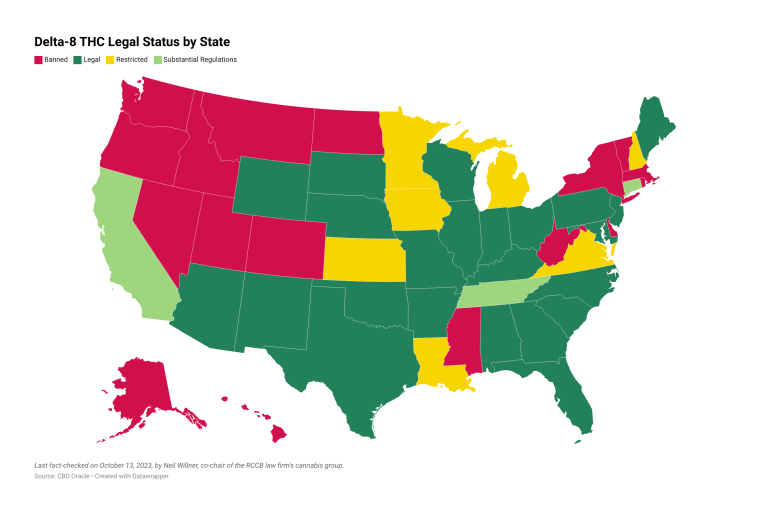
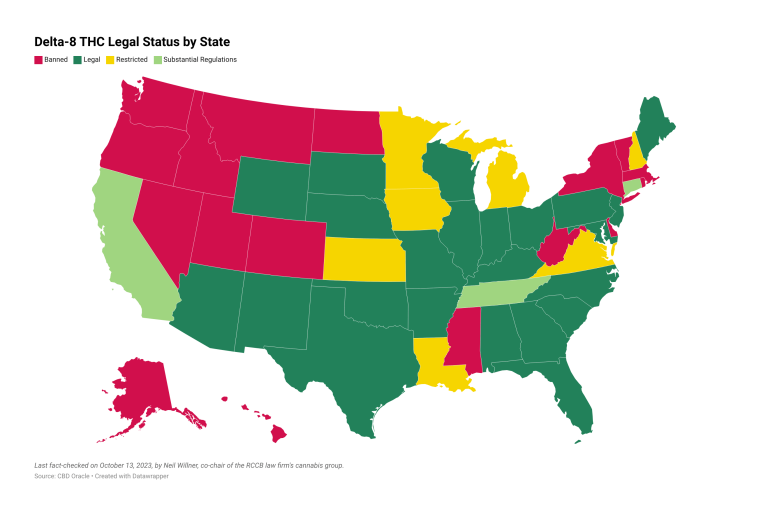
Delta-8 THC Legal Status: A Comprehensive 2023 Analysis
 THC & Cannabinoids