
Table of Contents
Five countries anchor the strict end of global cannabis law: Singapore, Japan, Saudi Arabia, South Korea, and the United Arab Emirates. In each, cannabis is fully illegal for recreational use — and in several, penalties escalate to life imprisonment or death for trafficking, while even personal use can mean years in prison. This guide gives the verified specifics for each country as of November 2026, including recent reforms that softened some first-offense outcomes without changing the underlying bans. It is general information, not legal advice — and for travel decisions, check official government sources before you go.
The five countries at a glance
| Country | Possession / use | Trafficking / smuggling | What makes it distinctive |
|---|---|---|---|
| Singapore | Up to 10 years and/or S$20,000 fine | Over 500g: death penalty | Quantity thresholds presume trafficking |
| Japan | Up to 7 years (use itself is a crime since Dec 2024) | Import: 1–10 years | One of few developed nations criminalizing use |
| Saudi Arabia | Imprisonment; deportation for foreigners | Death penalty available and used | No medical program; CBD also banned |
| South Korea | Up to 5 years or ₩50M fine | Import: life or minimum 5 years | Nationals prosecuted for use abroad |
| UAE | First offense: rehab pathway possible | Life imprisonment or death | 2021 reform softened first offenses only |
Singapore: thresholds that presume trafficking
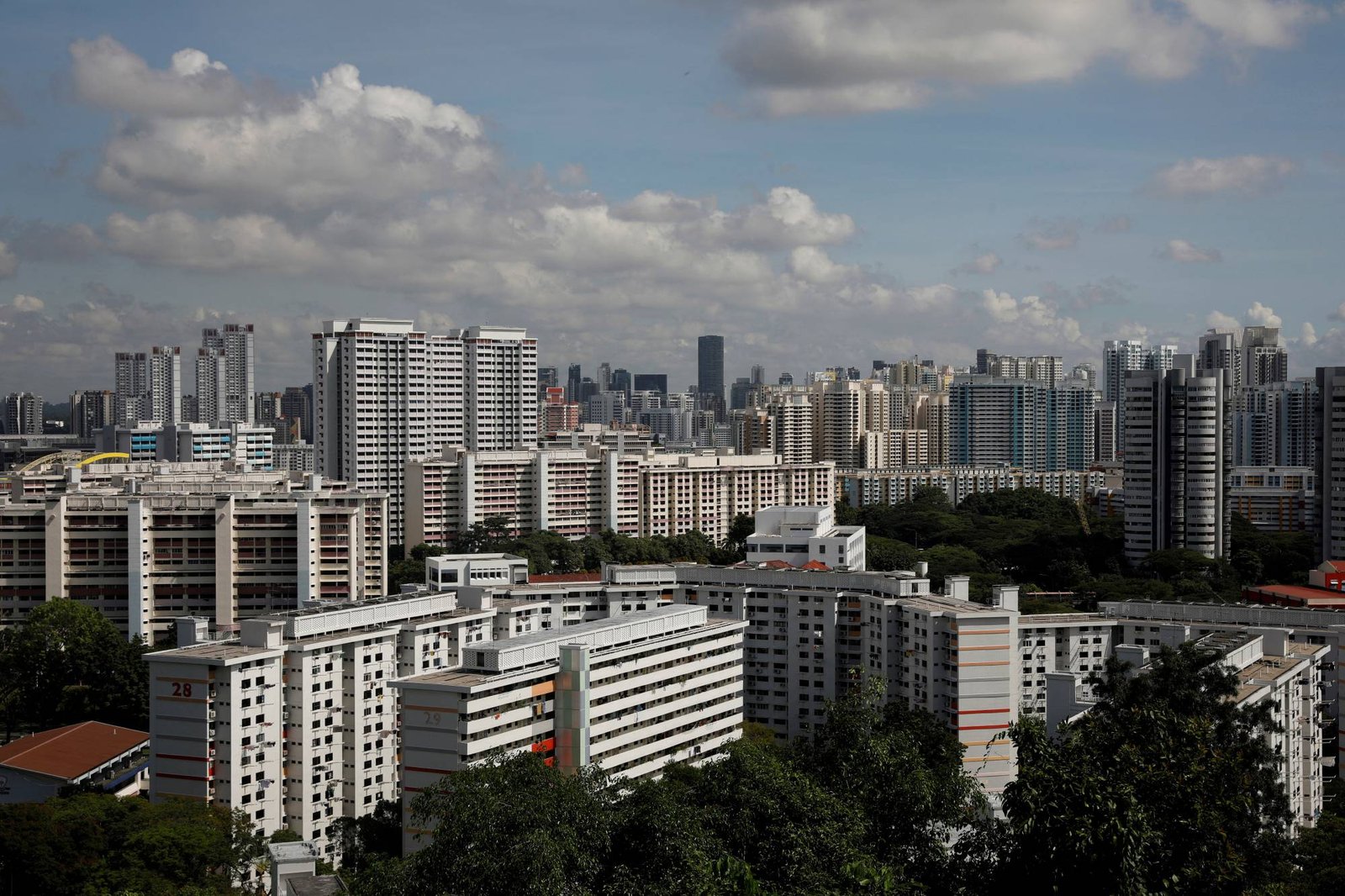
Singapore’s Misuse of Drugs Act classifies cannabis as a Class A drug with zero tolerance. Possession of less than 330 grams carries up to 10 years’ imprisonment, a fine of up to S$20,000, or both; 330–500 grams brings a minimum of 10 years plus caning. Trafficking, importing, or exporting more than 500 grams carries the death penalty. Critically, possession above set thresholds is presumed to be for trafficking, shifting the burden to the accused. Consumption — including a positive urine test — is itself an offense. See the Central Narcotics Bureau’s official penalties page for the full schedule. Recent reforms (announced 2026) add rehabilitation options for some young first-time offenders, but the prohibition and the capital thresholds are unchanged.
Japan: use itself became a crime in 2024
Japan’s Cannabis Control Act dated to 1948 and punished possession but not use — a gap the December 2023 revision closed. From December 12, 2024, cannabis use is a criminal offense punishable by up to 7 years’ imprisonment, the same maximum as possession (raised from 5 years). Importing carries 1–10 years. A positive urine or blood test can ground an arrest even without possession. The same reform opened a narrow pathway for approved medical cannabinoid products and set strict THC residue limits for CBD products — but recreational use remains fully prohibited, and foreign nationals face deportation and future entry bans on conviction.
Saudi Arabia: zero tolerance, including CBD
Under the Law of Combating Narcotics and Psychotropic Substances (2005), cannabis in every form — including CBD, with no medical program and no tolerated amount — is banned. Possession and use lead to imprisonment (the UK Foreign Office summarizes small-amount possession as up to five years plus a fine of 30,000 riyals), and foreign nationals are deported after serving sentences. Smuggling and dealing can carry the death penalty, which is actively used: hundreds of drug-related executions have been recorded in recent years. Testing positive for THC, even from use abroad, can itself lead to arrest.
South Korea: the law follows citizens abroad
South Korea’s Narcotics Control Act punishes cannabis use or possession with up to 5 years’ imprisonment or a fine of up to ₩50 million; importing or exporting carries life imprisonment or a minimum of 5 years. Its most distinctive feature is extraterritorial: Korean nationals can be prosecuted for cannabis use committed abroad, even where it was legal — a position the Ministry of Justice publicly reiterated in a May 2024 campaign. This rule applies to Korean nationals, not foreign tourists (though foreigners on Korean soil face the same possession penalties, plus deportation). CBD is treated as cannabis for import purposes — in June 2025, the Supreme Court confirmed that even CBD extracted from hemp stalks counts as cannabis under the Act. A narrow medical exception exists for specific approved pharmaceutical products through a government process.
UAE: reform softened first offenses, not the ban
Federal Decree-Law 30 of 2021 replaced the UAE’s 1995 drug law and introduced a rehabilitation pathway: first-time offenders caught with a small amount for personal use may be sent to treatment instead of prison, and the old four-year minimum sentence was removed. Do not mistake this for leniency — cannabis remains illegal, repeat offenses escalate, and trafficking carries life imprisonment or death. A separate provision covers first-time visitors entering with manufactured products containing traces of THC (such as edibles), where confiscation without prosecution is possible in narrow circumstances. The practical rule for travelers is unchanged: bring nothing, assume nothing.
The contrast: where laws moved the other way
These five stand out precisely because much of the world moved toward decriminalization, medical programs, or full legalization over the same period — Portugal’s decriminalization model, the Netherlands’ tolerated sale, Canada’s and several US states’ legal markets. The gap matters for travelers most: the same product that is legal at home can be a serious crime at the destination, and “I bought it legally” is no defense in any of the five countries above. Before any international trip, see traveling with CBD and CBD edibles and international shipping.
The FDA’s CBD regulatory position explains the federal framework for CBD products.
Frequently asked questions
Are recreational cannabis laws the same globally?
No. They range from full legalization to the death penalty for trafficking. Always check the specific country’s current law.
What are the consequences of cannabis possession in Singapore?
Up to 10 years’ imprisonment and/or a S$20,000 fine for smaller amounts; trafficking over 500 grams carries the death penalty.
Can South Korea punish citizens for cannabis use abroad?
Yes. Korean nationals can be prosecuted for use committed in countries where it was legal. The rule does not apply to foreign tourists.
Is CBD legal in Saudi Arabia or the UAE?
No. Saudi Arabia bans all cannabis derivatives including CBD. The UAE bans CBD too, with only narrow first-offense provisions for trace-THC products.
How are cannabis laws changing in the United States?
Many states legalized recreational or medical use, but federal restrictions remain — see Florida’s law for one state’s picture, and driving-high evidence for the road-safety side.
Conclusion
The strictest cannabis laws share three traits: no tolerated amount, severe trafficking penalties, and enforcement that reaches visitors and, in Korea’s case, citizens abroad. The only safe strategy in these jurisdictions is total abstinence while there — and, for Korean nationals, awareness that the law travels with them. More in our Legal & Safety guides.
Affiliate Disclosure
The CakeHeights Editorial Team is committed to providing accurate, research-backed information about cannabis and hemp products. Some links on this page are affiliate links, meaning we may earn a commission at no extra cost to you if you make a purchase through them. Our recommendations are based on independent research, testing, and analysis. We only promote products we believe offer genuine value to our readers. Learn more →

Related Articles
Hemp Associations Answer Congress Questions: Key Insights
 Legal & Safety