

Table of Contents
Women have shaped the vaping industry from its early years — as shop owners, e-liquid makers, advocates, researchers, and trade-association leaders — in a sector that started out heavily male. This post looks at the roles women have actually held and the structural changes their presence drove, without inventing heroes: the only named figures here are two trade-association leaders whose roles are a matter of public record.
Leadership in trade associations
The most verifiable leadership roles are in the industry’s trade bodies. Amanda Wheeler has served as president of the American Vapor Manufacturers Association (AVM), representing small and mid-sized US manufacturers in regulatory fights. Cynthia Cabrera served as president of the Smoke-Free Alternatives Trade Association (SFATA), the US industry’s main trade group during the FDA deeming-rule era. Trade associations are where an industry’s regulatory strategy is actually made — and women have held the top roles in two of the most prominent ones.
Shops, e-liquid, and manufacturing
Women founded and ran a significant share of early vape shops and e-liquid brands, particularly in the US and UK independent sectors. Shop ownership mattered: in the pre-regulation era, shops were the main channel for product education, device troubleshooting, and word-of-mouth about safety practices. E-liquid mixing — recipe development, flavor sourcing, and quality control — also had prominent female founders. The pattern is familiar from other consumer industries: women entered through retail and product, then moved into manufacturing and distribution as the market matured.
Advocacy and harm reduction
Women have been prominent in the harm-reduction wing of vaping advocacy — the argument, grounded in the NASEM 2018 report and the NHS position, that vaping’s value is as a less-harmful alternative for adult smokers who switch completely. Advocacy work includes public speaking, conference organizing, consumer education, and engagement with regulators. The distinction matters: credible advocacy is evidence-based and quit-focused, not promotional.
What changed structurally
Three shifts are attributable to a more diverse industry, not to any one person:
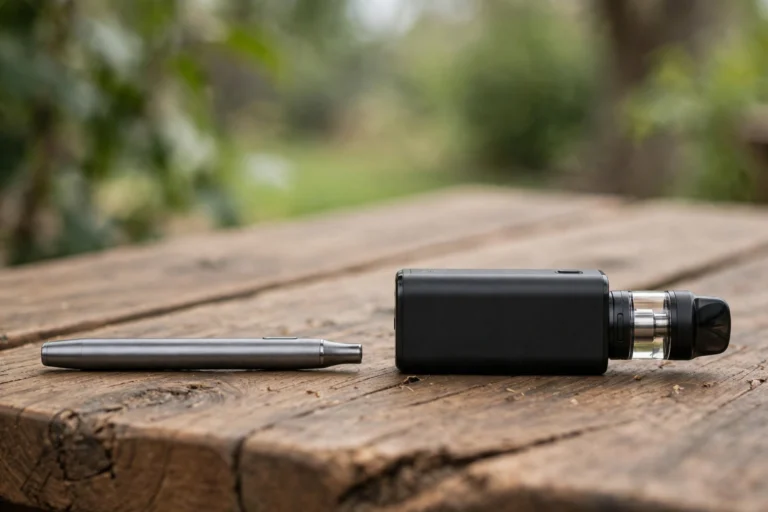
- Product design: smaller, simpler devices (pods, pens) that suit a broader user base than the large-box-mod era’s enthusiast focus.
- Retail culture: shops that welcome new users and non-enthusiasts, with clearer labeling and better staff training.
- Marketing norms: a move away from the early industry’s male-coded branding toward neutral, adult-focused presentation — partly driven by regulation, partly by who was running the companies.
The honest caveat
Much online content about “women in vaping” is padded with invented names, invented brands, and invented achievements — this post’s original version included a table listing “Jane Doe” as a CEO. That is fabrication, and it discredits the real contributions. The record above is deliberately narrow: roles and organizations that can be checked, not a hall of fame. If a name cannot be verified, it does not belong in the story.
Frequently asked questions
Who are the leading women in vaping?
Publicly documented leaders include Amanda Wheeler (president, American Vapor Manufacturers Association) and Cynthia Cabrera (former president, Smoke-Free Alternatives Trade Association). Beyond trade associations, leadership is distributed across shop owners, e-liquid founders, and advocates whose roles are less centrally recorded.
What impact have women had on vaping culture?
Through retail, product development, and advocacy — smaller and simpler devices, more welcoming shops, and evidence-based harm-reduction messaging aimed at adult smokers.
How do women shape vaping industry trends?
By occupying leadership roles in trade bodies and companies, and by founding businesses that serve a broader user base than the early enthusiast market.
Can women’s involvement improve vaping’s image?
Diverse leadership tends to produce more credible, less promotional public messaging — which helps an industry whose reputation problem is partly self-inflicted. But image follows evidence and behavior, not demographics alone.
What initiatives support women in vaping?
Networking events, mentorship within trade associations, and women-focused business communities exist in the US and UK vaping sectors. Specific program names and dates change frequently — check current trade-association listings rather than relying on older articles.
For the industry context, see our vaping industry innovations guide and our celebrity vaping overview, and browse the Vaping & E-Liquids hub.
Affiliate Disclosure
The CakeHeights Editorial Team is committed to providing accurate, research-backed information about cannabis and hemp products. Some links on this page are affiliate links, meaning we may earn a commission at no extra cost to you if you make a purchase through them. Our recommendations are based on independent research, testing, and analysis. We only promote products we believe offer genuine value to our readers. Learn more →

Related Articles
 Vaping & E-Liquids
MTL vs DTL Vaping: What’s the Difference?
 Vaping & E-Liquids
How to Quit Vaping: A Realistic Plan That Works
 Vaping & E-Liquids
Leave a Reply