
Table of Contents
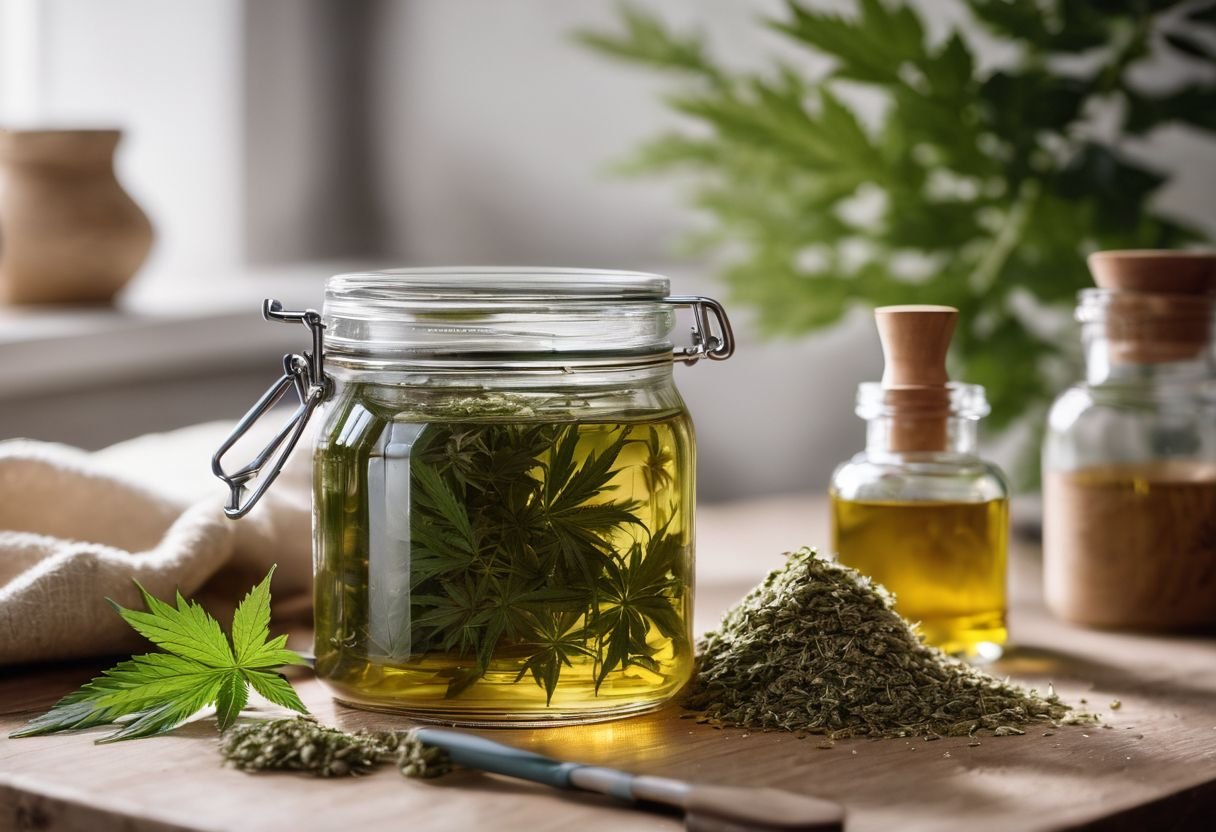
Making CBD oil at home means infusing CBD-rich hemp flower into a carrier oil — but the honest version of this guide starts with three warnings the originals skip. First, homemade oil potency is unknown: without lab testing you cannot know how much CBD is in your oil, so “customize potency” is a fantasy — you are guessing. Second, solvent extraction (butane, ethanol) is dangerous at home: flammable solvents cause fires and explosions, and residual solvent can remain in the oil; oil infusion is the only home-appropriate method. Third, hemp flower must be decarboxylated (heated) to convert CBDA into CBD — raw flower infused cold yields mostly CBDA, not CBD. The process in outline: source tested hemp flower, decarboxylate it with gentle oven heat, grind, infuse in a carrier oil (coconut, olive, or hemp seed oil) over low heat for hours in a double boiler, strain through cheesecloth, and store in a dark airtight glass container away from heat and light. The NCCIH cannabis evidence summary is the frame for all health claims on this site.
Extraction methods compared
| Method | Home-safe? | Notes |
|---|---|---|
| Oil infusion | Yes — the only home method | Simple, safe, less concentrated; potency unknown without testing |
| Ethanol extraction | No — flammable | Requires ventilation and expertise; residual solvent risk |
| Butane extraction | Never at home | Explosion risk; professional closed-loop systems only |
| CO2 extraction | No — industrial equipment | Cleanest commercial method; not a home process |
Quality control at home is limited to ingredient choice: tested flower from a reputable source, a clean carrier oil, and clean equipment. The only way to know your oil’s CBD content — and that it is free of pesticides, heavy metals, and mold — is third-party lab testing of the finished oil. Home production legality varies by state; some states restrict hemp flower or smokable forms. The FDA’s CBD regulatory position explains the federal framework. See our CBD oil ingredients guide and our CBD isolate guide.
Cost reality
Homemade oil can cost less per bottle than retail — but only if you count your time as free and skip lab testing, which is the one step that makes the oil’s potency knowable. See our CBD gummies guide and our FDA and CBD guide.
Frequently asked questions
What are the benefits of making CBD oil at home?
Lower cost and ingredient control — but potency is unknown without lab testing.
Is it legal to make CBD oil at home?
Varies by state. Check local hemp and cannabis laws before producing or possessing hemp flower.
What equipment do I need?
Tested hemp flower, a carrier oil, a double boiler, a grinder, a strainer, and dark glass storage. No solvents.
How can I ensure the quality of homemade CBD oil?
Use tested flower and have the finished oil lab-tested. Without testing, potency and contaminants are unknown.
Why must hemp be heated first?
Heat converts CBDA into CBD (decarboxylation). Without it, the oil contains mostly CBDA, not CBD.
Browse the CBD Guides hub.
Affiliate Disclosure
The CakeHeights Editorial Team is committed to providing accurate, research-backed information about cannabis and hemp products. Some links on this page are affiliate links, meaning we may earn a commission at no extra cost to you if you make a purchase through them. Our recommendations are based on independent research, testing, and analysis. We only promote products we believe offer genuine value to our readers. Learn more →

Related Articles
 CBD Guides
CBD Gummies vs Capsules vs Vapes: Which Is Right for You?
 CBD Guides
How to Store CBD Gummies (and Why They Lose Potency)
 CBD Guides
Leave a Reply