
Table of Contents
A vape coil is a consumable: a small heating element wrapped in cotton that slowly accumulates residue until it stops tasting right. Most pre-built coils last 1 to 3 weeks, but the range is wide, and the difference between a coil that dies in 3 days and one that lasts 3 weeks is mostly how you treat it. The biggest factors are the e-liquid you use, the wattage you run, and whether you prime new coils properly. This guide covers how long coils really last, the signs a coil is done, and the habits that genuinely extend coil life, including corrections to several pieces of advice the original version of this post got wrong.
How long do vape coils last?
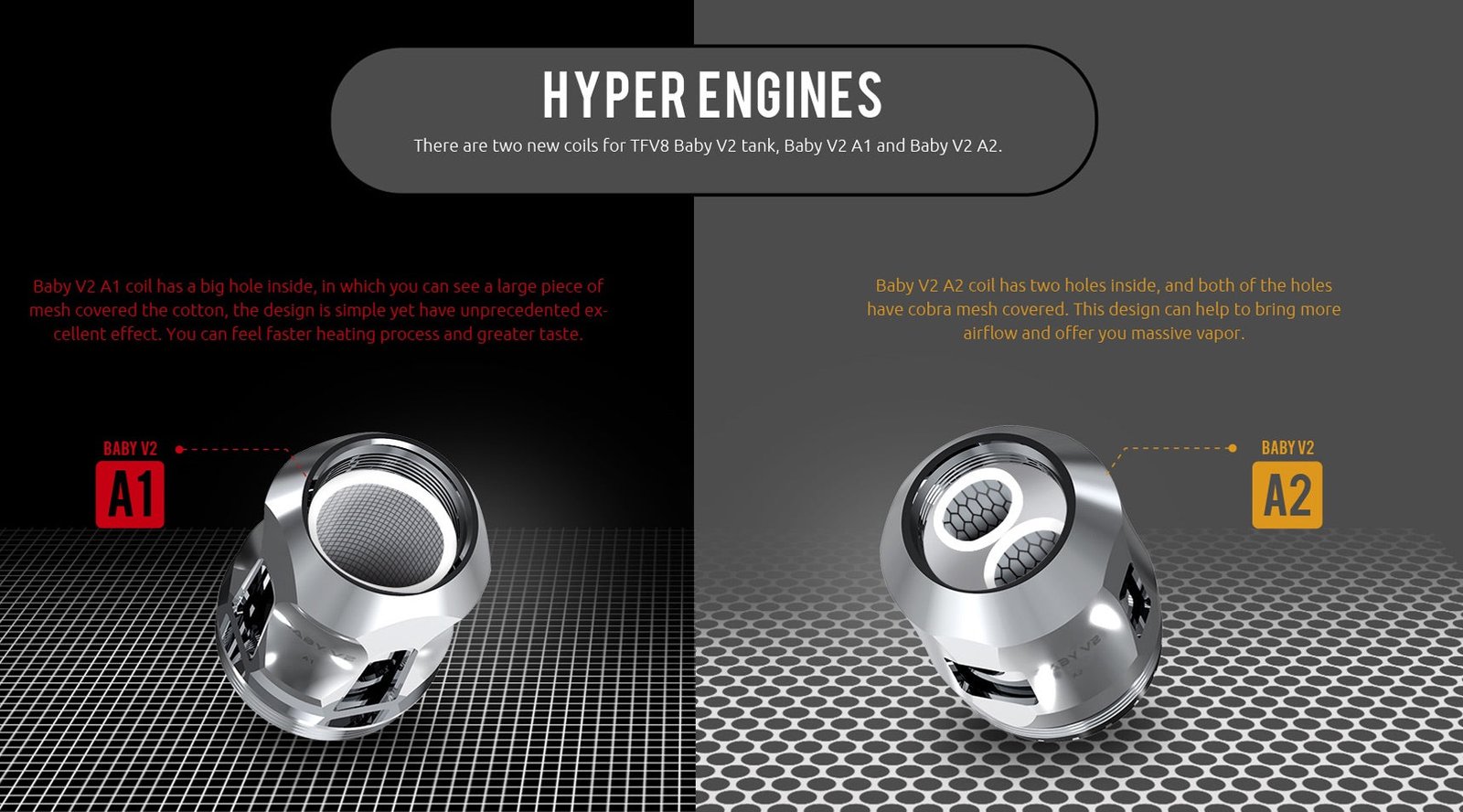
For pre-built coils, 1 to 3 weeks is the honest general range for a regular vaper. Light users can stretch a coil to a month; heavy users chain-vaping sweet liquid at high wattage can kill one in days. The original post’s table assigning lifespans by wire material (Kanthal 1–2 weeks, stainless steel 1–3 weeks, mesh 2–4 weeks) implied the material decides lifespan. It does not: usage, sweetener, and wattage dominate, and the material is a minor factor. Mesh coils do tend to last somewhat longer than round-wire coils because their larger surface area heats more evenly and stresses the wick less, but the difference is modest and varies by brand. Rebuildable coils (wire you wrap yourself) last longer in a different sense: the wire itself can serve for weeks to months, with only the cotton wick replaced every few days to a week. For the basics of how coils work, see how vape coils work.
What are the signs a coil is worn out?
| Sign | What it means | What to do |
|---|---|---|
| Burnt or off taste | The wick is scorched or caked with residue | Replace the coil; a burnt wick does not recover |
| Flavor fading or muting | Residue buildup insulating the coil | Replace the coil if the flavor does not return after a tank of fresh liquid |
| Less vapor than usual | The coil is struggling to vaporize liquid efficiently | Check the wattage setting first; if correct, replace the coil |
| Gurgling or leaking | The wick is degraded and flooding, or a seal has failed | Check O-rings and connections; replace the coil if the problem persists |
| Dark discoloration | Residue and caramelized sweetener on the coil and wick | Normal wear; replace when flavor or vapor drops |
What kills coils fastest?
Sweetener. The single biggest coil-killer is sucralose and other sweeteners in e-liquid. Sweetener caramelizes on the hot coil and forms a dark crust called gunk, which insulates the coil, mutes flavor, and eventually burns. Heavily sweetened dessert and candy liquids can halve coil life compared with unsweetened or lightly sweetened liquid. If you go through coils quickly, the liquid is the first thing to change. Wattage. Running a coil above its rated range scorches the wick; running at the top of the range constantly shortens life. Start at the bottom of the printed range and work up slowly. Chain vaping. Puffing without pauses does not give the wick time to re-saturate, so the coil heats dry cotton. Wait a few seconds between puffs. High VG in the wrong coil. Thick high-VG liquid wicks slowly through small ports; in a mouth-to-lung coil with tight wicking, it starves the wick and causes dry hits. Match the liquid to the coil: high VG for sub-ohm coils with large ports, 50/50 for small mouth-to-lung coils. See PG vs. VG explained and sub-ohm vaping.
Two corrections to the original post. First, it claimed high-VG liquid causes more gunk than high-PG liquid. That is backwards: gunk comes from sweetener, not from VG. VG’s problem is slow wicking, not residue. Second, it advised using thicker e-liquid to avoid dry hits. Also backwards: thicker liquid wicks more slowly, which makes dry hits worse, not better. If you are getting dry hits, the fixes are thinner liquid, lower wattage, longer pauses between puffs, and a properly primed coil.
How do I prime a new coil?
Priming is the most valuable habit in this guide, and the most commonly skipped. A new coil’s cotton is dry; firing it dry scorches the wick permanently, and no amount of later soaking fixes a scorched wick. The steps: put 3–5 drops of e-liquid directly onto the exposed cotton of the new coil, install it, fill the tank, and wait 5–10 minutes before the first puff. Take the first few puffs at the bottom of the coil’s wattage range. That is all of it, and it is the difference between a coil that tastes burnt from day one and a coil that lasts its full life. For the detailed version, see how to prime a coil.
Can I clean a coil instead of replacing it?
For pre-built coils with cotton wicks: effectively, no. The original post recommended rinsing coils in water, soaking them in alcohol or vinegar, and dry-burning them. Rinsing and soaking a cotton-wicked coil rarely restores it: the residue is baked onto the coil and into the cotton, water and alcohol do not dissolve caramelized sweetener well, and a soaked coil that is not fully dry will taste wrong and can harbor residue. A rinse may buy a day or two on a mildly gunked coil, but it does not reset the clock, and it is not worth the effort for a consumable that costs a few dollars. Dry-burning is worse: firing a wicked coil without liquid burns the cotton, and firing a nickel (Ni200) or titanium coil until it glows is genuinely hazardous. Dry-burning has exactly one legitimate use: cleaning a BARE rebuildable coil with the wick removed, at low power, and never with nickel or titanium wire. For pre-built coils, replacement is the answer; for rebuildables, re-wick instead. Keep the tank itself clean: rinse tank parts (not the coil, not the battery) in warm water when you change coils, dry fully, and check O-rings. See how to clean vape tanks.
What about temperature control and coil life?
Temperature control (TC) mode can extend coil life because it caps the coil’s temperature, which prevents the overheating that scorches wicks. It only works with nickel (Ni200), titanium, or stainless steel coils, because those metals’ resistance changes predictably with temperature; Kanthal and nichrome do not work in TC mode. The safety rules are absolute: nickel and titanium coils must NEVER be used in wattage mode and must NEVER be dry-burned until glowing. Titanium dioxide forms at around 1,200°F (650°C), a temperature a glowing coil easily reaches, and the compound is harmful to inhale; in normal TC use at 200–250°C (392–480°F) the wire never approaches it. Stainless steel is the flexible option: it works in both wattage and TC modes. See our temperature control guide and Uwell’s temperature control guide for the setup details.
| Wire | Wattage mode | TC mode | Notes |
|---|---|---|---|
| Kanthal | Yes | No | The standard wattage wire; resistance barely changes with heat |
| Nichrome (Ni80) | Yes | No | Faster ramp-up than Kanthal; contains nickel (allergy note) |
| Stainless steel (SS316L) | Yes | Yes | Works in both modes; the easiest TC starting point |
| Nickel (Ni200) | NEVER | Yes | TC only; soft wire; nickel allergy risk; never dry-burn |
| Titanium (Grade 1) | NEVER | Yes | TC only; never dry-burn or glow; TiO2 forms ~1,200°F |
The National Academies’ 2018 e-cigarettes report reviewed more than 800 studies on the health effects of e-cigarettes.
Frequently asked questions
How long do vape coils typically last?
Pre-built coils typically last 1 to 3 weeks for a regular vaper. Light use and unsweetened liquid extend life toward a month; heavy use, sweet liquid, and high wattage can reduce it to days. Rebuildable wire lasts weeks to months, with the cotton wick replaced every few days to a week.
What affects the lifespan of vape coils?
Sweetener content (the biggest factor), wattage, puff frequency, liquid viscosity matched to the coil, and priming. Wire material matters far less than these. Chain vaping and running above the coil’s rated wattage are the fastest ways to kill a coil.
How can I make my vape coils last longer?
Prime every new coil and wait 5–10 minutes, vape within the coil’s rated wattage range, use less-sweetened liquid, match VG/PG ratio to the coil, pause between puffs, and keep the tank filled. Temperature control mode also helps by capping coil temperature.
When should I replace my vape coil?
When you notice a burnt taste, muted flavor, reduced vapor, gurgling, or leaking that does not resolve after checking connections and O-rings. A burnt wick does not recover: replace the coil rather than trying to clean it.
Can I clean a vape coil instead of replacing it?
Pre-built cotton-wicked coils cannot be effectively cleaned; rinsing or soaking rarely restores them and dry-burning destroys the wick. Dry-burning is only for bare rebuildable coils with the wick removed, and never for nickel or titanium wire. Replace pre-built coils; re-wick rebuildables.
Browse more in the Vaping & E-Liquids hub.
Affiliate Disclosure
The CakeHeights Editorial Team is committed to providing accurate, research-backed information about cannabis and hemp products. Some links on this page are affiliate links, meaning we may earn a commission at no extra cost to you if you make a purchase through them. Our recommendations are based on independent research, testing, and analysis. We only promote products we believe offer genuine value to our readers. Learn more →

Related Articles
 Vaping & E-Liquids
MTL vs DTL Vaping: What’s the Difference?
 Vaping & E-Liquids
How to Quit Vaping: A Realistic Plan That Works
 Vaping & E-Liquids
Leave a Reply