
Table of Contents
THC’s benefits and side effects are both real, and both are dose-dependent. The evidence supports modest benefits for a narrow set of conditions — chronic pain, MS-related spasticity, chemo nausea, appetite loss — and documents real risks: impaired driving, dependence, anxiety, and harm to the developing brain. This guide grades each claim by its evidence, following the NCCIH frame, and keeps treatment claims separate from marketing claims.
5 effects with evidence behind them
1. Chronic pain — modest evidence
The NCCIH summarizes: “some evidence suggests modest benefits of cannabis or cannabinoids for chronic pain.” Modest is the operative word — effect sizes are small, and the evidence does not support claims of effectiveness for specific conditions like arthritis or fibromyalgia, where the data are weaker.
2. Multiple sclerosis symptoms — modest evidence
Some evidence for modest benefits for MS-related spasticity and pain. Nabiximols (a THC:CBD oromucosal spray) is approved for MS spasticity in many countries — but not in the United States.
3. Chemotherapy nausea — FDA-approved (synthetic THC)
Dronabinol and nabilone — synthetic THC drugs, not the plant — are FDA-approved for chemotherapy-induced nausea and vomiting when other treatments fail. This is the strongest regulatory endorsement THC has, and it applies to specific pharmaceutical products, not to smoked or edible cannabis.
4. Appetite stimulation — FDA-approved (specific indication)
Dronabinol is FDA-approved for appetite loss in AIDS patients. It is not approved for eating disorders, and appetite stimulation is not a treatment for them — that claim is dangerous and wrong.
5. Anxiety — mixed, biphasic, and easily overstated
Low doses may reduce anxiety in some people; higher doses commonly increase it, and THC can trigger or worsen anxiety, paranoia, and psychosis in predisposed individuals. The evidence for PTSD is limited and mixed. Anyone presenting THC as an anxiety treatment is ahead of the evidence.
Side effects: short-term and long-term
Short-term: euphoria, altered perception, impaired coordination and judgment, increased heart rate, dry mouth, anxiety/paranoia (dose-dependent). Driving while intoxicated is impaired driving — cannabis use is linked to increased crash risk. Long-term/regular use: cannabis use disorder (craving, withdrawal, loss of control); memory and cognitive effects (largely reversible after cessation in adults, but adolescents face higher risk — 4–7x more likely than adults to develop cannabis use disorder); respiratory harm from smoking; exacerbation of anxiety, depression, and psychosis in predisposed people; reduced motivation and performance with heavy use.
What THC is NOT approved for
Epilepsy/seizures: that is CBD (Epidiolex), not THC. Insomnia: evidence is limited. Depression: no established benefit, and THC can worsen mood disorders. Any condition: the cannabis plant itself is FDA-approved for nothing. The NASEM evidence-grading approach — conclusive, substantial, moderate, limited, insufficient — is how every claim in this post was weighed.
Frequently asked questions
What are the health benefits of THC?
Modest evidence for chronic pain and MS symptoms; FDA-approved synthetic THC for chemo nausea and AIDS-related appetite loss. Most other claimed benefits are early-stage or unproven.
What are the potential risks of THC consumption?
Impaired driving, dependence, anxiety/paranoia, cognitive impairment, respiratory harm from smoking, and particular risk to adolescents and people predisposed to psychosis.
How can THC be used for medical purposes?
Through approved pharmaceutical products (dronabinol, nabilone) for specific indications, or through state medical-cannabis programs — under medical supervision, with a risk assessment and awareness of drug interactions. See our THC effects guide.
Can THC impact mental health and cognition?
Yes: it can exacerbate anxiety, depression, and psychosis in predisposed individuals, and impair memory and concentration — especially with heavy or adolescent use. See our THC classification guide.
Is THC addictive?
Yes, for some users: cannabis use disorder involves craving, withdrawal (irritability, insomnia, appetite loss), and loss of control. Risk is higher with high-potency products, frequent use, and adolescent onset.
For the mechanism, see our endocannabinoid system guide and our CBD vs THC guide, and browse the THC & Cannabinoids hub.
Affiliate Disclosure
The CakeHeights Editorial Team is committed to providing accurate, research-backed information about cannabis and hemp products. Some links on this page are affiliate links, meaning we may earn a commission at no extra cost to you if you make a purchase through them. Our recommendations are based on independent research, testing, and analysis. We only promote products we believe offer genuine value to our readers. Learn more →

Related Articles
 THC & Cannabinoids
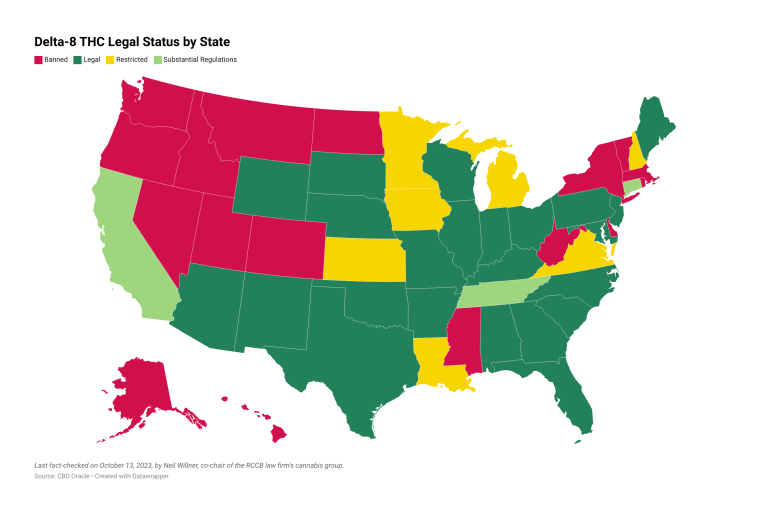
Delta-8 THC Legal in North Carolina? Key Facts & Insights
 THC & Cannabinoids
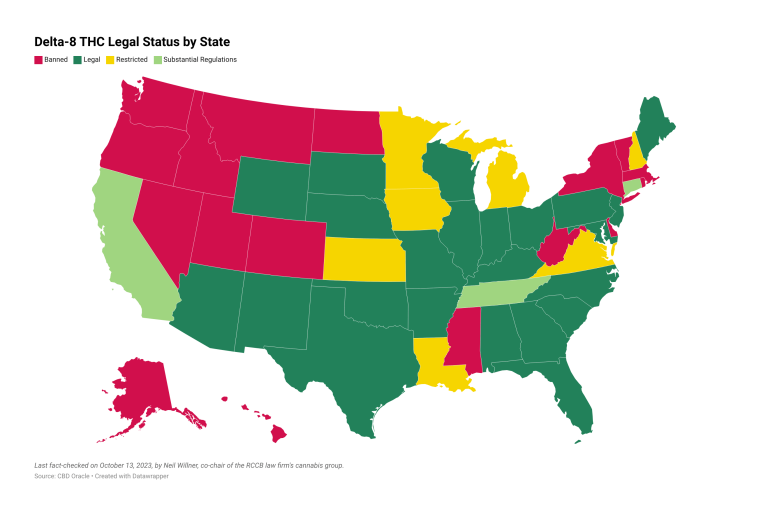
Delta-8 THC Legal Status: A Comprehensive 2023 Analysis
 THC & Cannabinoids